The Fall Reset: How to Transition Your Home and Closet for Cooler Weather
September has a way of feeling like a fresh start.
Summer schedules begin to wind down, the weather slowly starts to change, and suddenly the shorts, beach bags, sandals, and outdoor gear that made perfect sense a few weeks ago are competing for space with sweaters, jackets, boots, and fall décor.
Instead of simply squeezing another season into your existing spaces, September is a great time to give your home a seasonal reset.
The goal isn't to completely reorganize your house every time the weather changes. It's to make the things you actually need for the upcoming season easier to find, use, and put away.
Start by Putting Summer Away Intentionally
Before bringing out your fall items, take a little time to deal with what summer left behind.
Gather seasonal items such as:
Beach towels and pool bags
Swimwear
Sandals and summer shoes
Outdoor toys and equipment
Picnic supplies
Summer décor
Lightweight linens
Seasonal clothing
But don't automatically put everything into storage. This is the perfect opportunity to ask yourself what actually deserves to come back next summer. Did the beach towel finally reach the end of its life? Are there sandals no one wore all season? Did the kids outgrow their swimsuits? Are you storing outdoor items you haven't used in years?
Decluttering before storing seasonal belongings means you aren't spending valuable storage space on things you're unlikely to use again. Once you've decided what you're keeping, clean items when necessary and store them together in clearly labeled containers. Next summer, you'll be glad you did.
Give Your Closet a Fall Edit
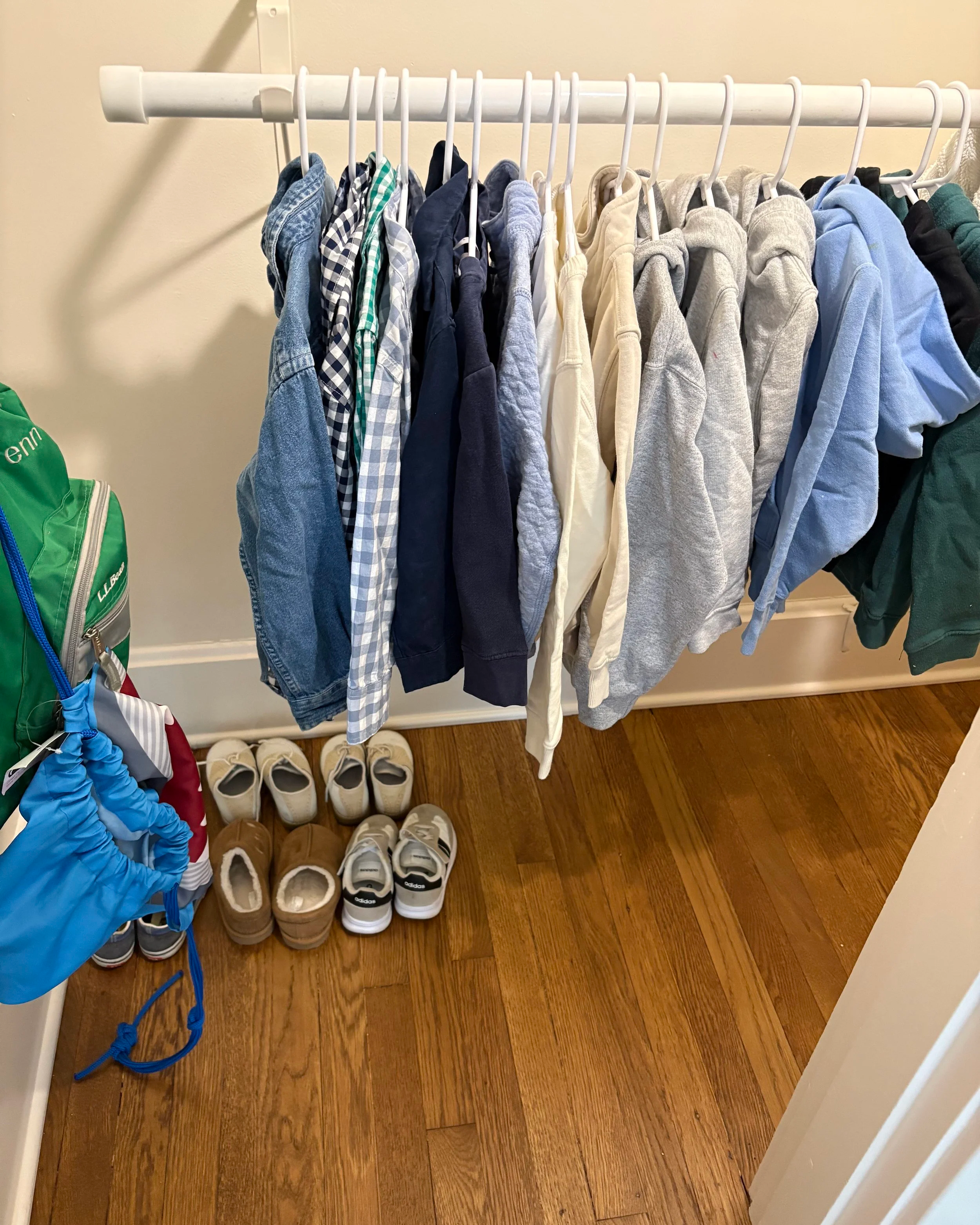
One of the biggest seasonal transitions happens inside the closet.
As sweaters, jackets, jeans, boots, and layers make their way back into your everyday wardrobe, use the transition to evaluate what you already own.
Before putting something back into your closet, ask:
1. Would I buy this again today?
Forget what you originally paid for it. If you saw it in a store today, would you still choose it?
2. Does it fit the life I actually live?
Sometimes we keep clothing for an old version of our lives or for an imaginary occasion that never seems to happen.
3. Can I make at least three outfits with it?
Versatile pieces often earn their space more easily than something that works only one very specific way.
4. Do I consistently reach for something else instead?
If you own several similar pieces but always choose the same one, that tells you something.
5. Do I like how I feel in it right now?
Not after losing weight. Not after buying something to wear underneath it. Not after eventually getting it altered. Right now.
6. Is it filling a role in my wardrobe or simply taking up space?
You don't have to love every basic item you own, but everything should serve a purpose.
7. If I let this go, would I actually miss it?
This can be especially helpful when you're stuck on the dreaded "maybe" pile.
Remember: the goal isn't necessarily a smaller closet. It's a closet that works harder for you.
Folded sweaters with acrylic dividers on a closet shelf.
Bring Cooler-Weather Clothing Forward
Once you've edited your wardrobe, make your cooler-weather essentials easier to access. Move sweaters, jeans, long-sleeved shirts, jackets, and other frequently worn pieces into your most accessible closet and drawer spaces.
Summer clothing you may still need on warmer fall days doesn't have to disappear completely. Transitional seasons call for a little flexibility.
Consider keeping a small selection of:
Short-sleeved tops
Lightweight pants
A few dresses
Light layers
Transitional shoes
within easy reach while storing true summer items elsewhere. This keeps your closet functional without having every piece of clothing you own competing for prime real estate.
Don't Forget the Entryway
Your entryway tends to change along with the seasons too.
Before colder weather arrives, look at the area where your family enters and leaves the house.
You may soon need room for:
Jackets
Sweaters
Rain gear
Boots
School bags
Sports equipment
Umbrellas
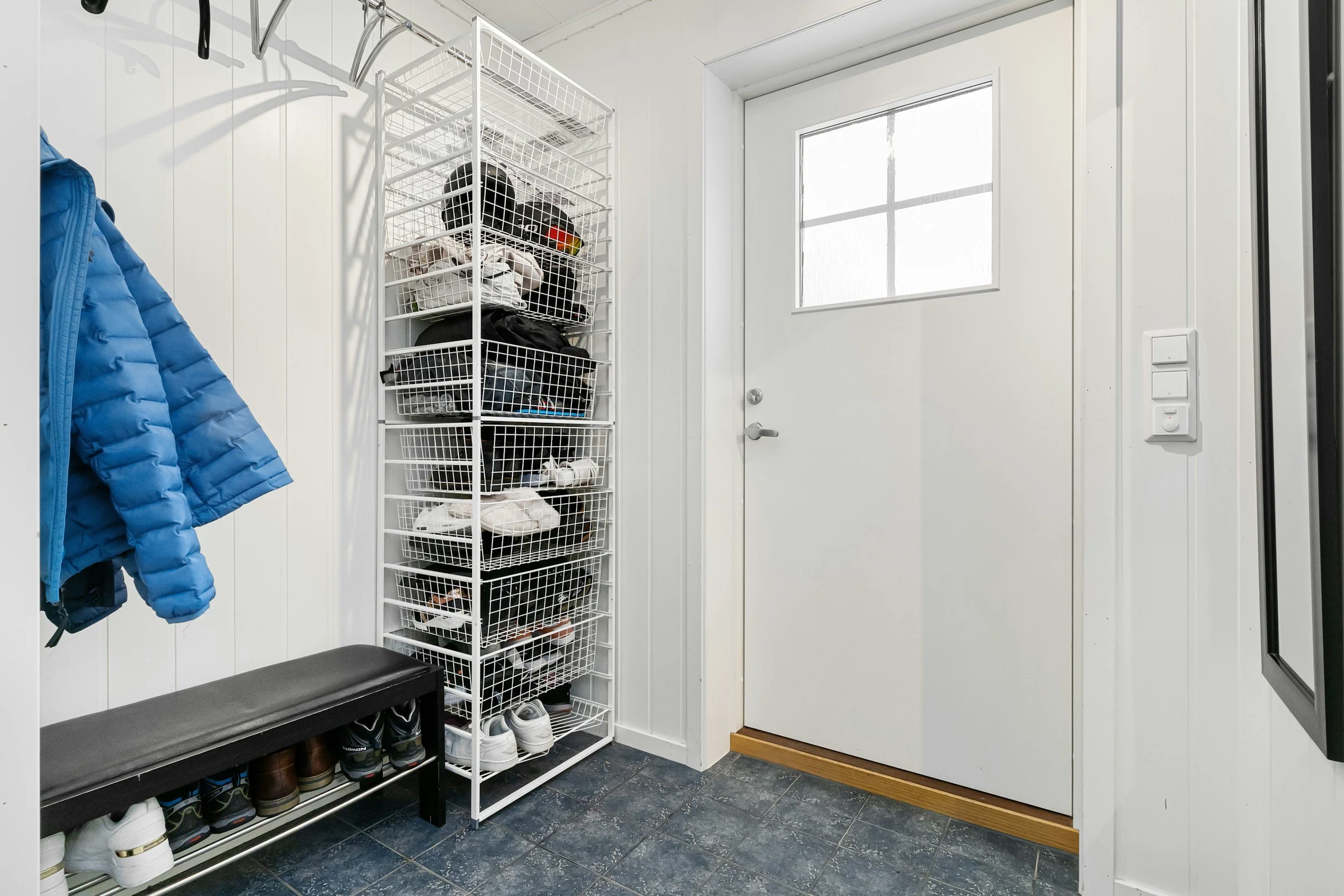
Remove summer items that no longer need to live there and make sure everyone has a designated place for the things they'll use most often this fall. A few hooks, baskets, bins, or labeled areas can prevent the entryway from becoming a daily drop zone.
Rotate Your Fall Décor Instead of Adding to the Clutter

Seasonal decorating should make your home feel inviting, not overcrowded. Before decorating for fall, take a quick inventory of what you already own. You don't necessarily need to put out every fall decoration you've collected over the years.
Choose the pieces you genuinely enjoy and consider donating anything that no longer fits your home or style. As you decorate, store your summer décor together instead of mixing seasonal items across several closets, cabinets, and storage areas.
Keeping décor organized by season makes decorating and putting everything away much easier later.
Reset a Few Everyday Spaces
A seasonal reset doesn't have to stop with your closet. September is also a good time to take a quick look at spaces you'll use more as everyone spends more time indoors.
Consider resetting:
The linen closet: Move lightweight blankets aside and make room for warmer bedding and throws.
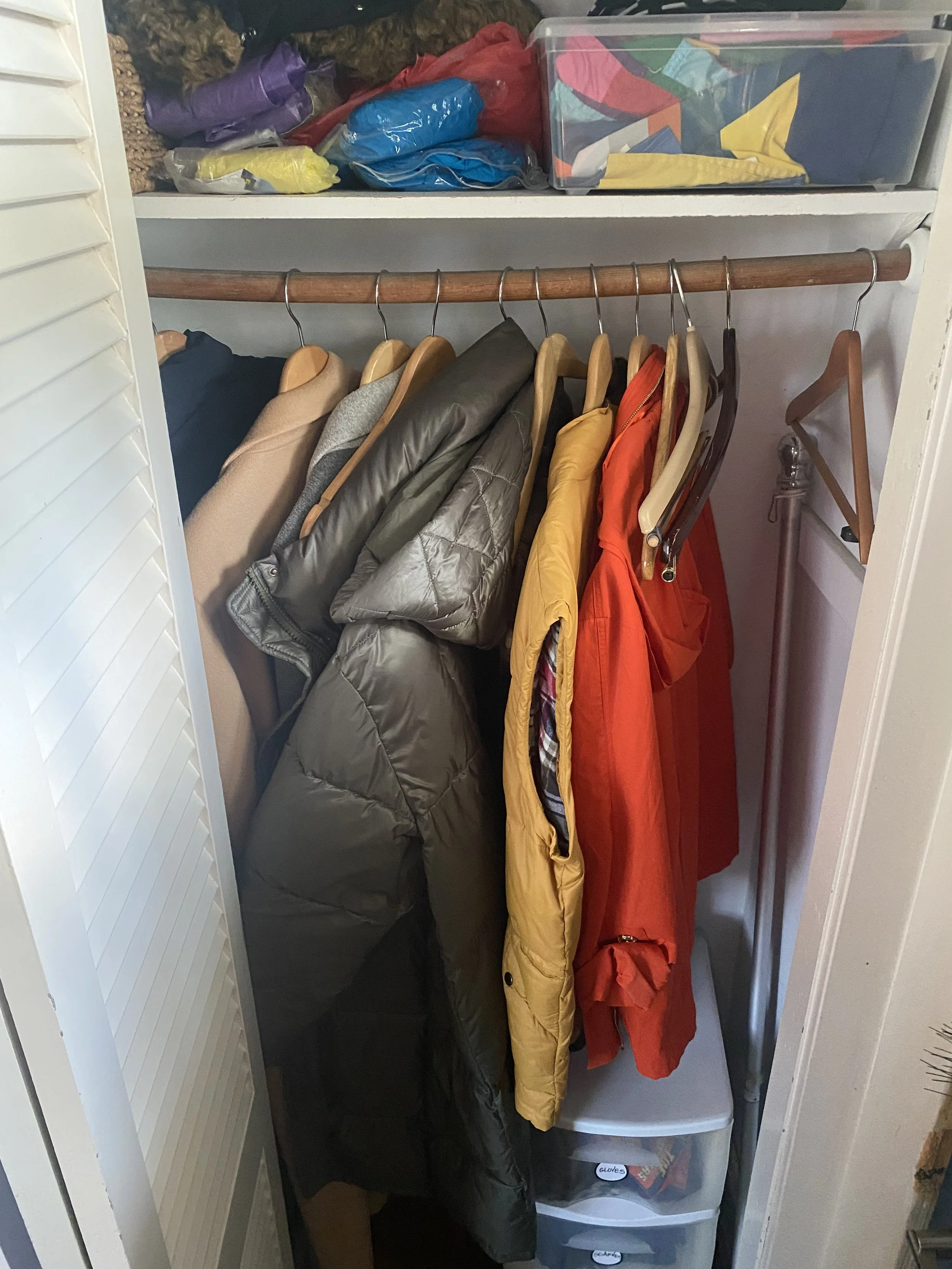
The mudroom or coat closet: Clear out anything that no longer belongs and make space for jackets and boots.
The pantry: Toss expired items and reorganize ingredients you'll use more frequently for fall meals.
Living spaces: Remove summer clutter before introducing blankets, candles, baskets, and seasonal décor.
You don't have to tackle every area at once. Even choosing one or two spaces can make your home feel noticeably more prepared for the season ahead.
Make the Seasonal Swap Easier Next Year
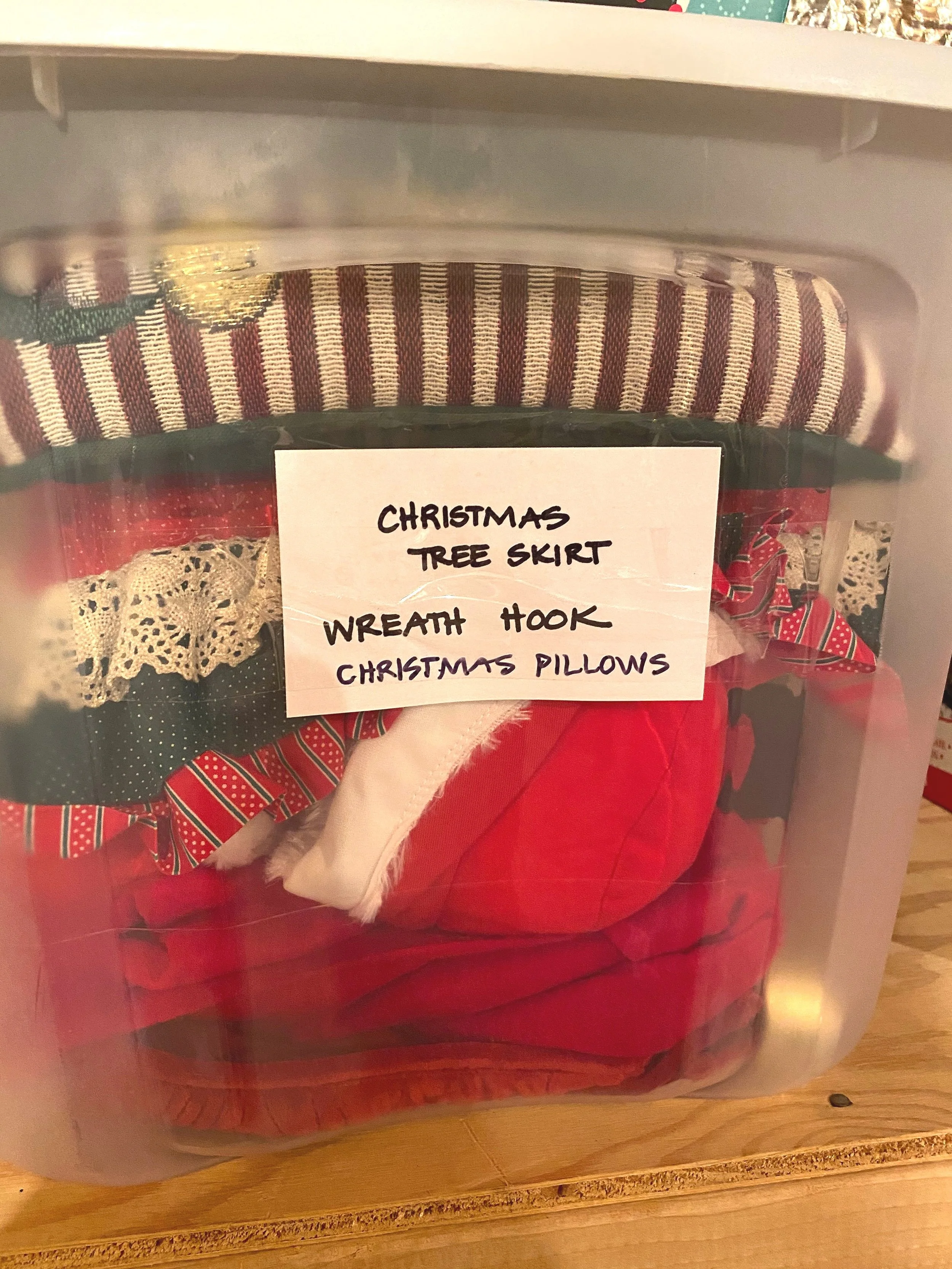
Before putting anything into seasonal storage, label it clearly.
Instead of writing simply "Summer," consider more descriptive labels such as:
Summer Clothing
Swim + Beach
Outdoor Entertaining
Summer Décor
Fall Décor
Winter Accessories
You can also take a quick photo of what is inside larger bins before putting them away. Small systems like these eliminate a lot of searching later.
A New Season Is a Natural Time to Reset
Seasonal organizing isn't about creating a picture-perfect home. It's about adjusting your spaces so they support the way you're living right now.
As summer transitions into fall, take a little time to notice what's taking up space, what's no longer serving you, and what you'll actually need in the months ahead. You may discover that you don't need more storage. You simply need to make a little more room for the season you're entering.
And if transitioning your closets, seasonal décor, or storage spaces feels overwhelming, Home Perspective can help you create organizing systems that make seasonal changes and everyday life much easier.